

«We Need to Be Human First»: An Indonesian Student on Nuclear Engineering, International Education and the Marie Skłodowska-Curie Fellowship
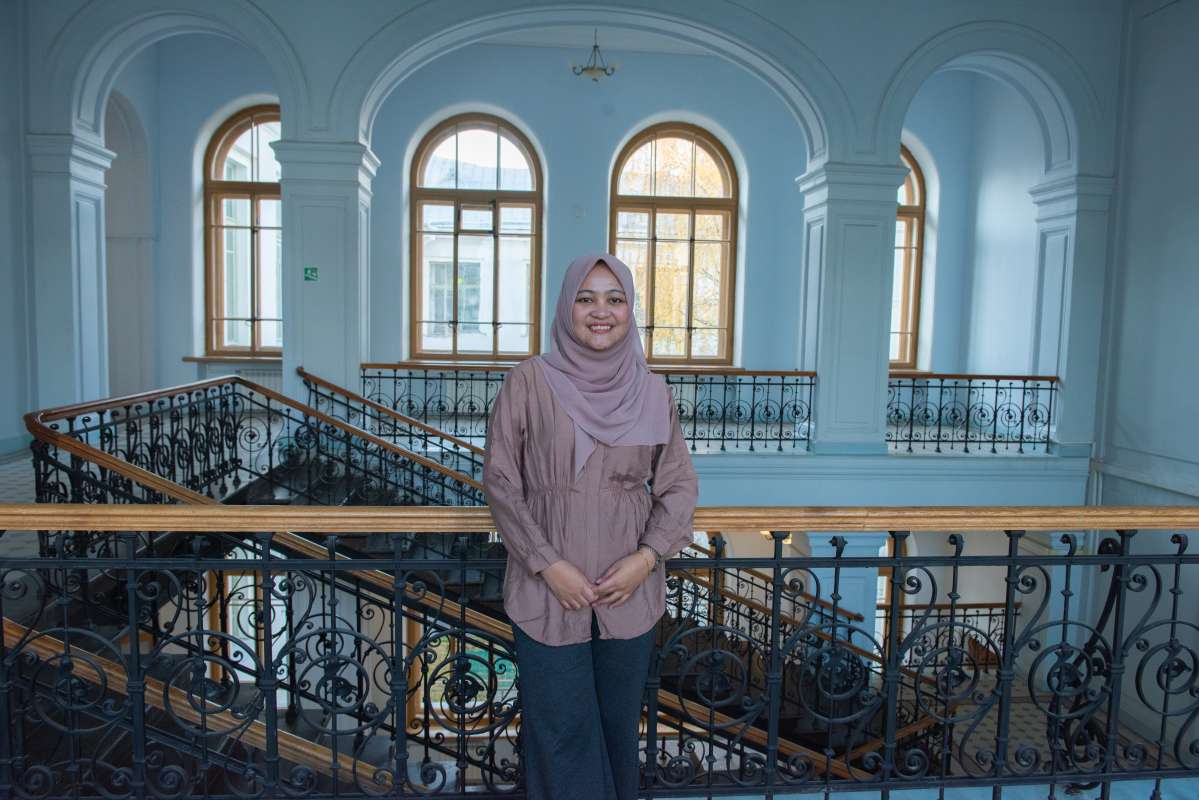
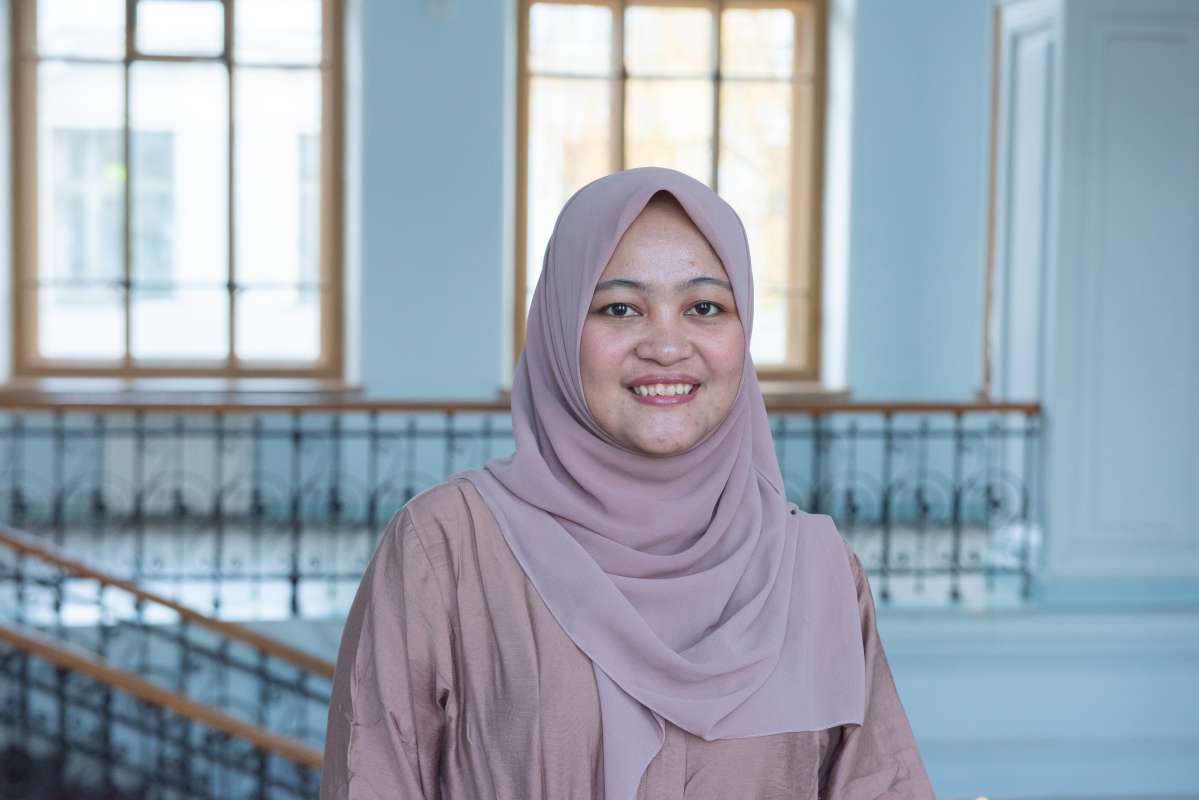
Studying nuclear power engineering in Russia, pursuing a career in science, and raising a daughter while living thousands of kilometers away from home — these are some of the challenges faced by Amanda Ulfa Fentriaryanti, an international master's student from Indonesia at the Institute of Energy, Peter the Great St. Petersburg Polytechnic University.
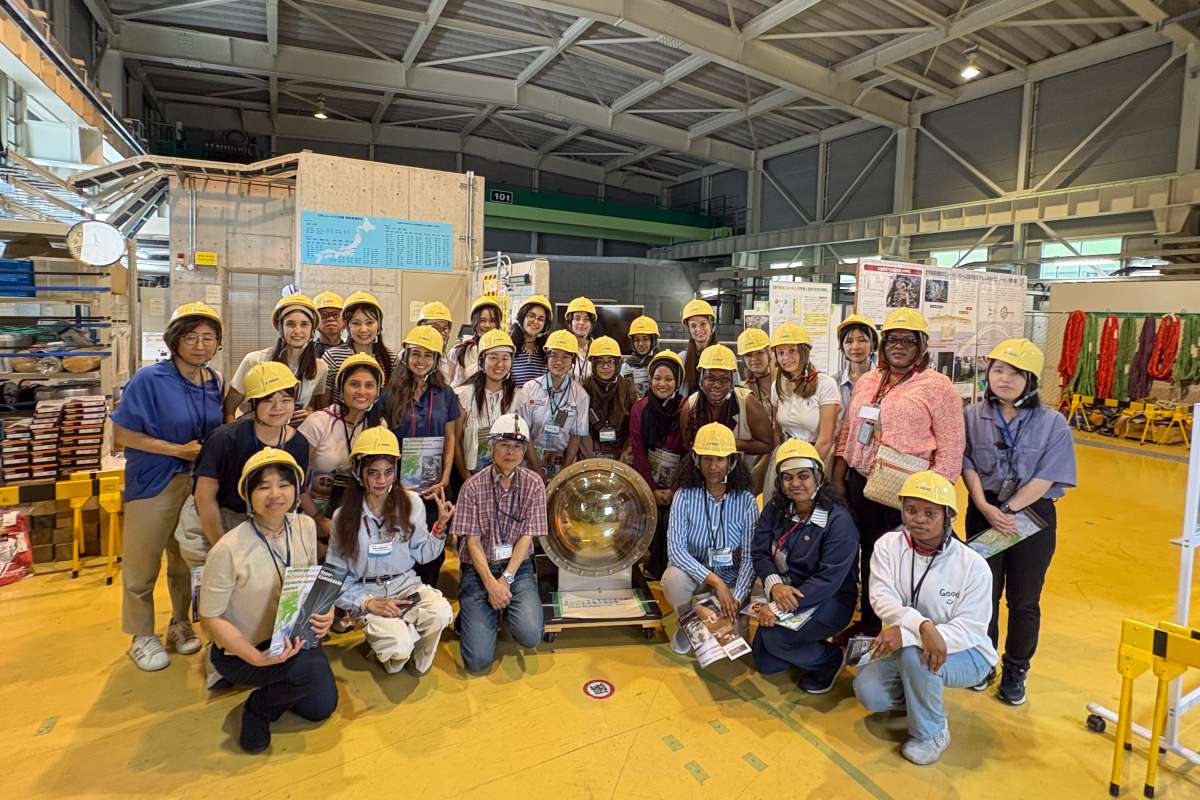
In 2026, she became a recipient of the IAEA Marie Skłodowska-Curie Fellowship and participated in the International School on Nuclear Security in Mito, Japan. We spoke with her about her decision to study in Russia, the opportunities offered by international cooperation, the role of women in nuclear science, and why scientific knowledge must always be accompanied by human responsibility.
Where are you from, and what are you studying at the Institute of Energy?
I'm from Indonesia, and now I'm pursuing a master's degree in nuclear power engineering in St. Petersburg.
What first sparked your interest in engineering?
First, I like to challenge myself, actually, because I did nuclear engineering for my bachelor's degree. In our class, there were very few women, only four. It's interesting for me because I like physics. That's why I chose engineering.
Why did you choose Russia for your master's degree?
Because I want to know more about nuclear power engineering. I know that Russia has many reactors. So I need to study more deeply about these reactors. That's why I chose Russia.
Looking back at your decision to study abroad, has the experience met your expectations?
For me, it's tough because I'm a mom and I'm far from my daughter. But I want to reach my dreams because I want to be an expert in this field. So this is my decision. I think it's quite a good experience for me to be in Russia.
What are your research interests?
I have experience with nuclear fuel, actually, because I have worked at the National Research and Innovation Agency. It's about nuclear fuel, and here I'm interested in neutronics. So I want to learn more deeply about neutronics. Maybe it will be my thesis topic.
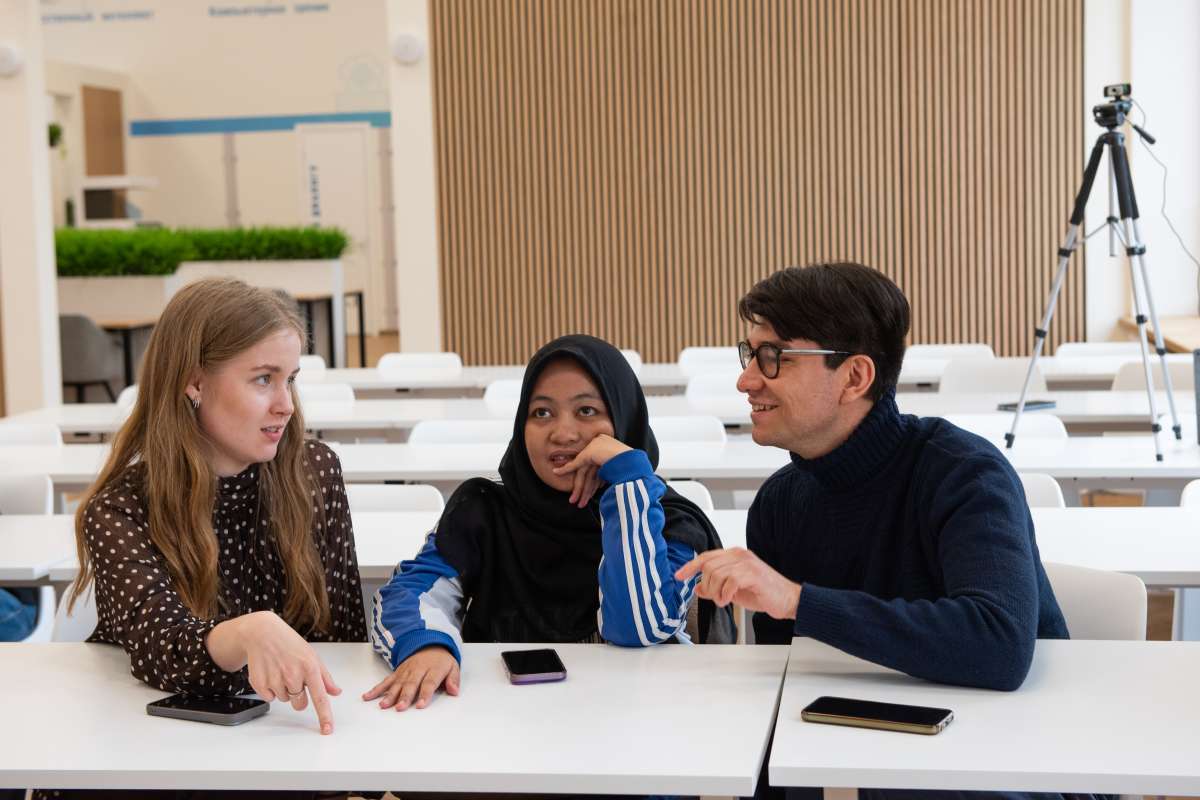
At the Institute of Energy, you study alongside students from different countries. What is this experience like for you?
It's quite interesting. I can learn about their cultures and a little bit of their languages also. So that's quite interesting for me.
What other benefits do you see in studying engineering in an international classroom?
I think I can learn about different points of view. Because my groupmates are from different countries, different cultures so I can see their points of view and compare them with my country.
What about the education style? How is it different from your home country?
Actually, exams are different. In my home country exams are written tests, in Polytech most of the exams are oral. I think it is better, you can see the capabilities of the students better.
You received the IAEA Marie Skłodowska-Curie Fellowship. Why did you decide to apply?
First, I just wanted to try. I wanted to challenge myself. I thought it was quite interesting because I could get information, knowledge, and also networking opportunities.
What does receiving the fellowship mean to you?
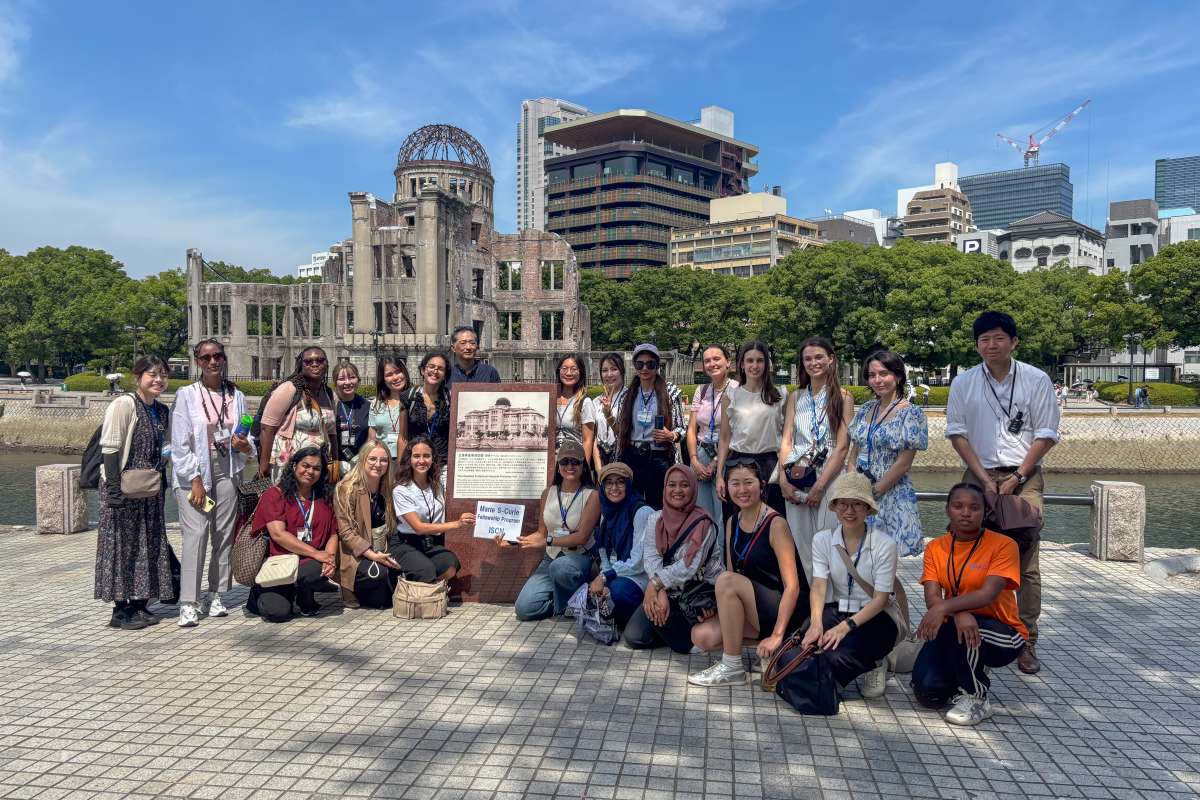
It is a great honor for me. This IAEA fellowship programme supports women pursuing education and careers in the nuclear field. For me, the fellowship is not merely financial support — it is also a recognition of my commitment and passion for this field. Fellowship also opens access to various IAEA activities, one of which was the International School on Nuclear Security, which I attended in Mito, Japan this summer.
What impressed you most about the summer programme in Japan?
I was impressed with the discussion sessions during the classes. The speakers presented highly engaging materials, real case studies — from the design of physical protection systems, threat assessment, and the security of radioactive materials, to nuclear security culture. These case studies encouraged us to think critically and engage actively in group discussions, bringing nuclear security concepts to life and making them highly applicable rather than merely theoretical.
What other experiences during the school were particularly valuable for you?
The visit to the IAEA Tokyo Regional Office was also a memorable experience, where I met the inspectors in person and learned about the equipment used in inspections.
The insights from WiN-Japan were especially meaningful — its members shared practical advice on how to pursue a career in the nuclear field as a woman, amid the gender equality challenges that still exist in this industry.
I also had the chance to see firsthand how Japan implements nuclear security at its nuclear installations, such as the Oarai Laboratory with the HTTR and JOYO reactors, as well as J-PARC, complemented by classroom materials and hands-on practice on physical protection systems, security culture, and nuclear forensics.
What was the most memorable moment for you personally?
Another experience I will never forget was the opportunity to hear the firsthand stories of atomic bomb survivors during our visit to Hiroshima. It was a deeply moving moment that reminded me how vital nuclear security is to world peace.
I want to be a researcher. Research is not only about knowledge, about learning something, about finding something, but we need morality in ourselves. So we need to be human first, and then we do something for humans also.
Where do you see yourself in five years? What are your plans after graduation?
I plan to go to Indonesia, and there I will start my PhD research.
There are still fewer women than men in many engineering fields. What would you say to young women considering a career in nuclear science?
I think you need to be brave because you want to learn more. You need to make yourself more confident, even if you are scared.
You are not only a researcher and a master's student but also a mother. What kind of example do you think you are setting for your daughter?
She is five years old, she started reading and writing. She's very focused. When I call her, she says, "Mama, I want to study now. Please don't call me."
I always say, "Mama is studying now too." So I think she sees that Mama can do it.
The Marie Skłodowska-Curie Fellowship Programme (MSCFP), established by the International Atomic Energy Agency (IAEA), supports women pursuing master's degrees in nuclear-related fields and provides opportunities for professional development through internships and other educational activities.

